Understanding the Impact of Fast Food on Liver Function
liver treatment in india specialists increasingly identify dietary patterns — especially frequent consumption of fast food — as a major contributor to impaired liver function. Fast food’s combination of high calories, saturated and trans fats, excessive sodium and refined sugars overwhelms metabolic pathways in the liver, increasing lipid deposition within hepatocytes and promoting inflammatory cascades. Over months to years this diet-driven stress transitions from simple steatosis to non-alcoholic steatohepatitis (NASH), fibrosis, and ultimately cirrhosis in susceptible individuals. Sociodemographic shifts and urban lifestyles have made fast food a common exposure; consequently, patients now seek evaluation at the best liver center when routine labs or imaging detect abnormal liver enzymes or fatty infiltration. Early diagnosis and intervention delivered by the best liver doctor in india or the best liver specialist in india can reverse early disease, but advanced stages require complex care that may involve the best liver transplant hospital in india . This article explains what constitutes fast food, the nutritional mechanisms that injure the liver, the clinical consequences, and evidence-based steps to protect liver function — all framed for patients and clinicians seeking authoritative guidance in liver treatment in india.
Importance of Maintaining Liver Health
The liver performs indispensable functions — detoxification, nutrient metabolism, bile production, protein synthesis, and immune defence — that underpin whole-body health. When its capacity is compromised, consequences are systemic: metabolic dysregulation, coagulopathy, impaired detoxification, and vulnerability to infections and malignancy. Given the liver’s regenerative capacity, early intervention is often highly effective; this is precisely why patients should engage with the best liver treatment hospital in india when risk factors emerge.
Maintaining liver health requires a proactive approach: monitoring risk exposures (alcohol, medication use, and diet), optimizing metabolic health (weight, glucose, lipids), and ensuring vaccination against viral hepatitis. For those with diet-related liver injury, guidance from a best liver specialist in india can provide individualized plans that combine nutritional therapy, physical activity, and medical interventions where appropriate. At the level of population health, liver treatment in india programs emphasize early screening in at-risk groups (obesity, diabetes, metabolic syndrome) and integrate lifestyle medicine with specialist-led care at the best liver hospital in India to prevent progression to irreversible conditions such as cirrhosis or hepatocellular carcinoma.
What Constitutes Fast Food?
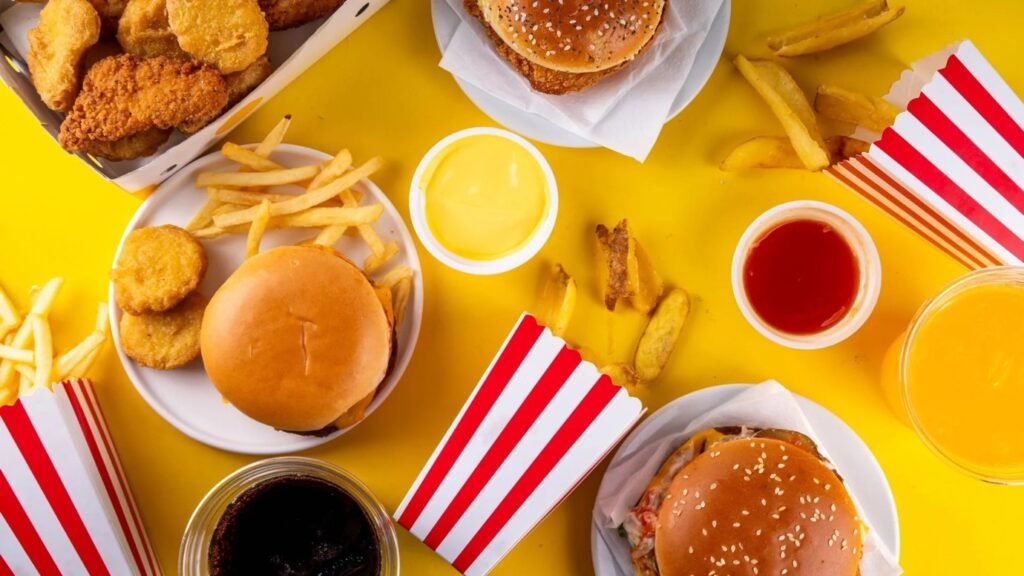
Fast food refers to commercially prepared meals designed for convenience and speed. Typical offerings include burgers, fried chicken, pizzas, deep-fried sides, processed snacks, and sugar-sweetened beverages. These foods are characterized by high energy density and low nutritional value. The defining nutritional features are:
- Excess saturated and trans fats (from frying and processed oils) that promote dyslipidaemia and hepatic fat deposition.
- High levels of refined carbohydrates and added sugars, especially fructose in sweetened drinks, which drive de novo lipogenesis in the liver.
- Elevated sodium and preservatives, contributing to hypertension and metabolic stress.
- Low fiber and micronutrient content, reducing satiety and impairing metabolic resilience.
Frequent consumption of these items imposes a chronic substrate overload on hepatic metabolic pathways. Over time, the liver adapts by storing triglycerides in hepatocytes; repeated cycles of overload and oxidative stress promote inflammation and scarring. For people living in urban centers, where fast food is widely available, the best liver center in india and best liver clinic in india regularly counsel patients.
Nutritional Profile of Fast Foods
Fast foods are engineered for palatability and shelf-stability, not for metabolic health. A deeper look at the nutritional profile explains why they are particularly harmful to liver function:
- Caloric density and macronutrient imbalance
A single fast-food meal can deliver 700–1,200 kcal, often with a macronutrient split heavily weighted toward fats and refined carbohydrates. Such energy-dense meals create positive caloric balance and promote central adiposity — the primary driver of hepatic steatosis. The liver converts excess dietary carbohydrates (notably fructose) into triglycerides via de novo lipogenesis, increasing intrahepatic fat stores. - Trans fats and saturated fats
Trans fatty acids (partially hydrogenated oils) and high levels of saturated fats impair mitochondrial function and increase oxidative stress within hepatocytes. These changes reduce the liver’s capacity for beta-oxidation (fat burning), thus favouring storage over utilization. Over time, mitochondrial dysfunction is a major contributor to the shift from benign steatosis to inflammatory NASH. - High-fructose sweeteners
Fast-food beverages and many sauces contain high-fructose corn syrup or equivalent sweeteners. Fructose metabolism in the liver bypasses key regulatory steps, leading to rapid triglyceride synthesis and uric acid production — factors linked to insulin resistance and hepatic inflammation. - Micronutrient deficiency and low fiber
The paucity of fiber slows gastric emptying and increases glycemic excursions, while deficiencies in antioxidants (e.g., vitamin E, polyphenols) reduce the liver’s ability to neutralize reactive oxygen species. Cumulatively, these deficits magnify oxidative injury and fibrogenic signalling. - Sodium, preservatives, and pro-inflammatory additives
Chronic high salt intake and certain preservatives can influence gut permeability and microbiome composition, creating endotoxemia that further stimulates hepatic inflammation via the gut–liver axis.
Clinicians at the best liver clinic in india educate patients about these mechanisms during counseling: understanding the nutritional science empowers behaviour change. For individuals with early metabolic liver disease, dietary modification targeted at reducing these harmful inputs is among the most effective first-line interventions within liver treatment in india pathways.
How Fast Food Affects Liver Function
Regular fast-food consumption impacts liver function through interconnected metabolic and inflammatory mechanisms. The primary pathways include:
- Lipid overload: Excess dietary fats and sugars increase hepatic triglyceride accumulation.
- Insulin resistance: Persistent high glycemic loads lead to systemic insulin resistance, driving further hepatic lipogenesis.
- Oxidative stress and inflammation: Overloaded hepatocytes produce reactive oxygen species, triggering inflammatory cascades and recruitment of immune cells.
- Fibrogenesis: Activated hepatic stellate cells synthesize collagen in response to chronic injury, gradually replacing functional hepatic tissue with scar.
The result is a spectrum from simple steatosis to NASH, progressive fibrosis, and ultimately cirrhosis. The timeline and severity depend on genetic susceptibility, coexisting conditions (e.g., obesity, diabetes), and cumulative exposure. Early-stage changes are often asymptomatic and only identified through routine liver function tests or imaging. For patients concerned about diet-related liver risk, referral to a best liver doctor in india or the best liver treatment center in India is advisable; these centers integrate nutritional therapy, metabolic optimization, and, where needed, pharmacotherapy or specialist interventions.
Fatty Liver Disease
Fatty liver disease — commonly termed non-alcoholic fatty liver disease (NAFLD) when not driven by alcohol — represents the hepatic manifestation of metabolic dysfunction. Fast-food–driven diets accelerate NAFLD by providing excess substrates (fatty acids and fructose) that the liver stores as triglycerides. Important clinical and pathophysiological points:
- Pathogenesis: Repeated caloric excess leads to hepatic lipid accumulation. Lipotoxic species and overloaded mitochondria create oxidative stress, which promotes hepatocyte injury. Injured hepatocytes release damage signals that recruit inflammatory cells and activate stellate cells.
- Clinical spectrum: NAFLD ranges from simple steatosis (fat without inflammation) to non-alcoholic steatohepatitis (NASH), characterized by inflammation and cell injury. NASH can progress to fibrosis, cirrhosis, and hepatocellular carcinoma.
- Diagnosis: Detection often begins with elevated transaminases on blood tests or ultrasound evidence of fatty infiltration. Advanced assessment (FibroScan, MRI-PDFF) helps quantify fat and fibrosis. Patients in India increasingly seek care at the best liver hospital in india for comprehensive staging and management.
- Management: Lifestyle modification is the cornerstone: weight loss of 7–10% body weight often reduces steatosis and inflammation. Where lifestyle measures are insufficient, specialist centers offer pharmacologic trials and enrollment in research programs focusing on antifibrotic agents — services available through leading best liver center in india programs.
- Prevention and prognosis: Early intervention, especially guided by the best liver specialist in india, can halt or reverse disease, preventing progression to cirrhosis. For those with advanced disease, timely referral to the best liver transplant doctor in india or transplant centers ensures optimal outcomes.
Fatty liver disease is increasingly recognized as a public-health priority; addressing fast-food exposure is a key preventive lever within national liver treatment in india strategies.
Insulin Resistance and Liver Stress
Insulin resistance is both a driver and a consequence of diet-induced liver injury. Regular consumption of fast food — particularly items high in refined carbohydrates, sugars, and unhealthy fats — promotes abdominal obesity and metabolic dysfunction. The hepatocentric consequences are:
- Mechanistic link: Insulin resistance in peripheral tissues shifts metabolic loads to the liver. Elevated free fatty acids from adipose tissue flood the liver, and hyperinsulinemia upregulates lipogenic transcription factors (e.g., SREBP-1c), increasing hepatic triglyceride synthesis.
- Metabolic sequelae: This metabolic milieu favors de novo lipogenesis, impaired very-low-density lipoprotein (VLDL) export, and accumulation of toxic lipid intermediates. The resulting lipotoxicity damages mitochondria and endoplasmic reticulum, provoking apoptotic signalling and inflammation.
- Clinical correlations: Insulin resistance often coexists with type 2 diabetes, hypertension, and dyslipidaemia — the cluster known as metabolic syndrome. Patients with these features have a higher probability of progressing from simple steatosis to NASH and fibrosis. In India, clinicians at the best liver clinic in india routinely screen patients with metabolic syndrome for hepatic involvement and coordinate care with endocrinologists and nutritionists.
- Therapeutic implications: Addressing insulin resistance is central to liver treatment in india plans. Interventions include structured weight loss, physical activity, dietary carbohydrate quality improvement, and, when indicated, insulin-sensitizing agents under specialist supervision. The best liver treatment specialist in india often works within multidisciplinary teams to tailor interventions and monitor hepatic response through biomarkers and imaging.
- Public-health perspective: Reducing population-level intake of fast food — through education, food policy, and accessible healthy options — is essential to curb the tide of diet-driven insulin resistance and its downstream hepatic consequences.
Inflammation and Liver Damage
Fast food is high in omega-6 fatty acids, trans fats, and additives—all of which fuel oxidative stress and inflammation. Chronic inflammation damages hepatocytes (liver cells), reducing their regenerative ability. Over time, persistent injury leads to fibrosis and cirrhosis.
Hepatologists at the best liver hospital in India highlight that patients with a history of fast-food-heavy diets often present with elevated liver enzymes, a marker of ongoing inflammation. The best liver treatment expert in India stresses the importance of lifestyle reversal and antioxidant-rich foods to counteract this damage. For patients whose inflammation progresses unchecked, the best liver transplant hospital in India becomes their only hope for recovery.
Risk of Liver Fibrosis and Cirrhosis
Long-term fast-food consumption escalates liver damage from fatty changes to fibrosis (scarring) and eventually cirrhosis. This progression is silent, often detected only when complications like jaundice, ascites, or variceal bleeding appear.
At the best liver treatment hospital in India, early detection programs aim to catch these risks before they reach advanced stages. The best liver transplant doctors in India explains that once cirrhosis develops, reversal is impossible, and transplantation becomes necessary
Scientific Studies Linking Fast Food and Liver Health
Numerous global studies confirm that regular fast-food consumption correlates with fatty liver, insulin resistance, and fibrosis. A landmark study published in Nature Reviews Gastroenterology & Hepatology found that just four weeks of fast-food intake significantly increased liver fat content in healthy adults.
The best liver treatment expert in India emphasizes that Indian populations face a compounded risk due to sedentary lifestyles and genetic predispositions. Clinical findings at the best liver treatment clinic in India align with international data, showing clear evidence of diet-induced liver disease. Consulting the best liver specialist in India helps patients understand these risks and personalize preventive strategies.
Early Signs of Liver Damage from Poor Diet
The liver has a remarkable ability to regenerate, but early warning signs must not be ignored. Symptoms include persistent fatigue, abdominal bloating, loss of appetite, and unexplained weight gain. The best liver doctor in India warns that ignoring these signs allows silent disease progression.
At the best liver center in India, diagnostic tools like liver function tests and imaging help catch damage early. Patients who consult the best liver treatment doctor in India benefit from lifestyle interventions that reverse early damage before irreversible complications occur.
Can Occasional Fast Food Still Harm the Liver?
Many people believe that eating fast food occasionally is harmless. While moderation reduces risks, the best liver expert in India clarifies that even small amounts of trans fats and refined sugars can burden the liver if consumed regularly over time.
The best liver treatment hospital in India advises patients that “occasional” indulgence should not turn into weekly habits. For individuals with family histories of liver disease, even minimal fast-food intake can accelerate progression. Patients are counselled at the best liver treatment clinic to focus on balanced nutrition and avoid hidden fast-food ingredients like processed sauces and oils.
Steps to Protect Your Liver Health
Protecting the liver requires a holistic approach. Key steps include:
- Prioritizing whole, home-cooked meals over fast food.
- Drinking sufficient water daily.
- Exercising at least 30 minutes a day.
- Reducing sugar and processed fat intake.
- Scheduling regular checkups with the best liver treatment specialist in India.
Healthier Alternatives to Fast Food
Instead of processed meals, nutritionists at the best liver treatment center in India recommend:
- Fresh fruits and vegetables.
- Lean proteins like fish, poultry, and legumes.
- Whole grains such as oats, quinoa, and brown rice.
- Healthy fats from nuts, seeds, and olive oil.
These foods reduce inflammation, support detoxification, and strengthen liver function. Patients guided by the top liver doctor in India learn that small daily swaps can dramatically improve outcomes. The best liver treatment expert in India highlights that prevention is always better than cure, and avoiding fast food is the simplest way to safeguard long-term liver health.
Conclusion
Fast food is more than just a dietary convenience—it is a significant risk factor for liver dysfunction and chronic liver disease. From fatty liver to cirrhosis, its impact is profound and often underestimated. Protecting the liver requires proactive choices, regular medical checkups, and lifestyle adjustments. Patients who seek guidance from the best liver specialist in India or the best liver treatment hospital in India are better equipped to prevent irreversible damage.
For advanced care, the best liver transplant hospital in India, supported by the best liver transplant doctor in India and the best liver transplant expert in India, ensures safe and ethical treatment pathways. If you or your loved ones are concerned about liver health, reach out today to Liver Treatment in India at https://livertreatmentinindia.com/ for expert guidance and comprehensive care.
FAQs
Q1: Can fast food really cause liver disease?
Yes, regular consumption of fast food increases fat accumulation in the liver, raising risks of fatty liver disease, fibrosis, and cirrhosis.
Q2: When should I consult a liver doctor?
If you experience fatigue, bloating, or unexplained weight changes, consult the best liver doctor in India or visit the best liver clinic in India for evaluation.
Q3: Can lifestyle changes reverse fast-food-related liver damage?
Early damage can often be reversed with dietary changes, exercise, and regular monitoring at the best liver treatment center in India. Advanced cases may require transplant evaluation at the best liver transplant hospital in India.